















Dermatologists for pets? When you should see a pet skin specialist.
Dermatologists for pets? When you should see a pet skin specialist.
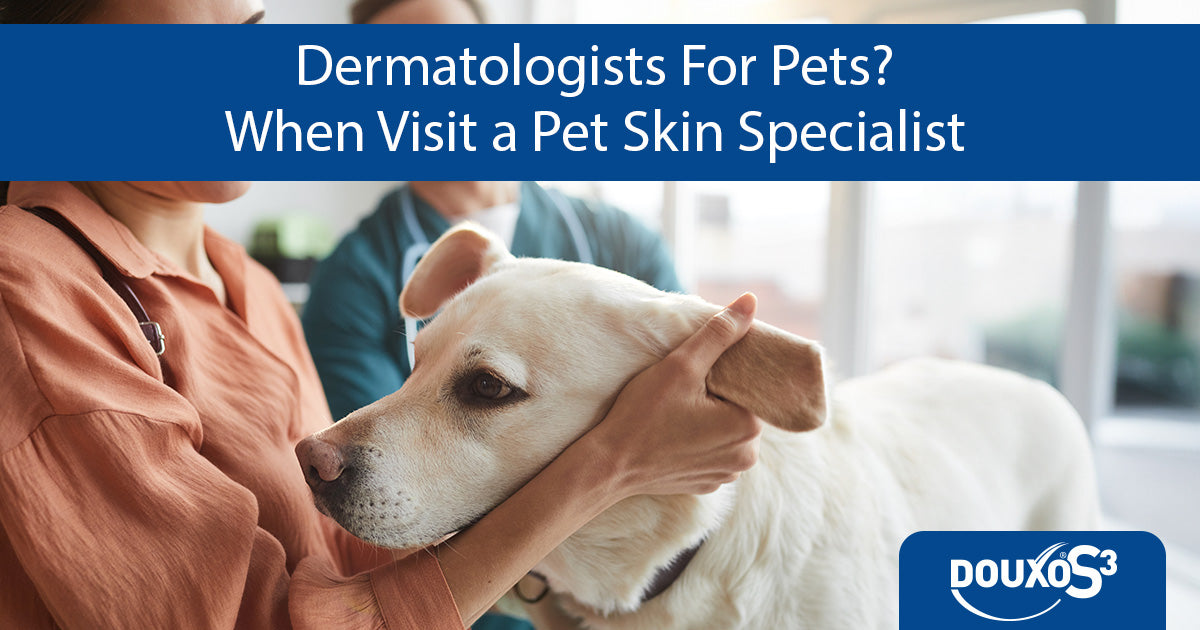
At some point in their lives, it's likely that your pet will experience a skin “particularity” that catches your attention. Skin issues are just as common in pets as they are in humans, and because pets don’t wear clothes, they tend to be even more noticeable! While some conditions are short-lived and simple to treat, other skin problems can be more complex, requiring long-term treatment and regular veterinary visits. For these pets, skin issues can be quite distressing, affecting their daily lives and comfort. To minimize the impact of skin disease, your first-opinion vet may recommend a referral to a Veterinary Dermatologist for more specialized care.
What is a Veterinary Dermatologist?
When you take your dog or cat to the vet, you usually see a GP vet (general practitioner) who takes care of your pet’s general health. However, sometimes illnesses and injuries require advanced diagnostics or specialist treatment that your regular vet may not be able to provide. For these situations, your GP vet may refer you to a Veterinary Dermatologist, a specialist trained in diagnosing and treating skin diseases.
To become a Veterinary Dermatologist, vets undergo additional postgraduate training and gain extensive experience from treating a wide range of skin cases. So, if your pet needs to see a Veterinary Dermatologist, you can be sure they’re in the hands of a true skin expert!
What sort of expert might I see?
A Veterinary Specialist is a genuine expert in their field, holding higher-level qualifications and named in a specific list of each country, like the RCVS List of Specialists in the UK, or in international lists, as this of the European College of Veterinary Dermatologists or its American counterpart. Some Dermatologists are also Advanced Practitioners, meaning they are not Specialist but have additional qualifications in skin diseases and frequently see referral cases. Whether you see a Specialist or an Advanced Practitioner, you’ll be referred to a highly skilled vet with expertise in skin conditions above what a GP vet would normally hold.
Why does my pet need to see a Veterinary Dermatologist?
While many skin issues can be managed by your primary vet, some pets may benefit from visiting a Veterinary Dermatologist, especially if their skin signs are advanced or they are not responding to treatment as expected. Often, the earlier a dermatology referral is started, the better the outcome - because nobody wants their furry friend to suffer any longer than they have to!
Unlike other illnesses, skin conditions are rarely life-threatening, but they are frequently complicated to treat and can cause your pet great distress, affecting their quality of life. No one likes to scratch all day, right? In addition, not all skin problems can be cured, so many dogs and cats affected by skin disease will suffer from regular flare-ups of clinical signs for the rest of their lives. Without adequate management, your pet’s skin disease may deteriorate, resulting in chronic skin signs that are harder to treat.
Diagnosing skin disease can also be challenging, as the clinical signs for different dermatology conditions are often similar, making treatment difficult without further tests. In addition, some systemic illnesses also affect the skin (such as Hypothyroidism or Cushing's’ Disease), and these illnesses need to be treated before the skin signs will resolve.
Common reasons for a dermatology referral
-
Your pet’s skin disease keeps recurring or isn’t being adequately controlled by their current treatment.
-
Your pet’s skin problem hasn’t improved or is getting worst
-
The presence of multiple skin problems is making clinical signs difficult to treat.
-
Your pet has an infection that is resistant to various treatments.
-
Your dog suffers from complex ear disease.
-
Chronic skin signs are affecting your pet’s quality of life and preventing them from doing their everyday activities, e.g. skin irritation preventing your dog from sleeping.
Common skin conditions treated by Veterinary Dermatologists
Veterinary Dermatologists treat pets with skin disease every day, so they will see a vast range of skin conditions, from common illnesses that are difficult to treat to rare conditions that are challenging to diagnose.
Common causes of skin disease include:
-
Atopic dermatitis
-
Food allergies
-
Parasites – e.g. fleas and mites
-
Hormonal disease – e.g. Hypothyroidism and hyperadrenocorticism in dogs and hyperthyroidism in cats
-
Autoimmune disease – e.g. Pemphigus foliaceus
-
Skin cancer
-
Ear disease
Atopic dermatitis and adverse food reactions
Pets with atopic dermatitis and adverse food reactions are reactive to various environmental, food, and flea allergens, and show a special, weaker, more sensitive skin. Even though it is so commonly diagnosed, atopic dermatitis remains a real challenge when it comes to long-term management. Allergens can be difficult to avoid, and in severe cases can cause some individuals to suffer from debilitating flare-ups all year round. To reduce the frequency of flare-ups, ongoing regular treatment is often needed. This may include regular bathing with a shampoo such as DOUXO® S3 CALM, to reduce itchiness and help keep the skin barrier healthy to prevent future flare-ups. For everyday use, DOUXO® S3 CALM pads can be used to clean skin folds and paws, helping to prevent secondary infections.
Skin infections
Primary bacterial infections occur with no underlying cause and may develop into a painful pyoderma. However, secondary bacterial and yeast infections target susceptible pets with existing skin disease, especially those with chronic conditions. Resistance to antibiotic treatment is increasingly being seen, so topical skin treatments may be used to control infection. Routine bathing with an antibacterial and anti-yeast shampoo, such as DOUXO® S3 PYO during flares, can help prevent future skin infections from developing.
Hormonal disease
Hormonal diseases such as hypothyroidism and hyperadrenocorticism in dogs and hyperthyroidism in cats are systemic illnesses that can also cause signs of skin disease. Sometimes, these skin signs may be the first sign that your pet is unwell, though you may also notice generalised signs of illness. Alongside treating the hormonal disease with life-long medication, the skin disease will also need treatment. Topical products, such as DOUXO® S3 SEB shampoo, can also be used long-term to treat oily skin, prevent signs of dandruff, and help keep your pet’s coat healthy.
Ear disease
Don’t be surprised if your vet suggests visiting a specialist to manage your pet’s ear disease. Ear disease is frequently seen in dogs, especially in individuals with atopic dermatitis or food allergies, so it commonly recurs and can cause chronic changes, such as a narrowing of the ear canal and ear infections resistant to treatment. Topical treatments may not be sufficient for advanced ear disease so, for very severe cases, surgery to remove the ear canal may be required.
How do I arrange for my pet to see a Veterinary Dermatologist?
Once you and your vet have decided on a referral, your vet will contact the Veterinary Dermatologist and send your pet’s medical records. An appointment will then be scheduled. Most dermatologists see patients at their own practice, but some may visit your regular vet or offer online consultations.
Benefits of seeing a Veterinary Dermatologist
-
They have a vast experience dealing with a wide variety of skin conditions, including rare illnesses.
-
They will be able to perform advanced diagnostic tests.
-
They have access to the most up-to-date treatments.
-
Some Veterinary Dermatologists work within a multidisciplinary hospital, giving your pet access to the expertise of other specialists if needed.
Skin disease can be complicated and difficult to treat, but with a referral to a Veterinary Dermatologist, your pet can access the latest medical care. Most pets will require ongoing skin care to keep their coat healthy, but flare-ups are common. Keeping in touch with your Veterinary Dermatologist will help your pet stay comfortable and happy, improving their quality of life!
Skin conditions can be tricky, but with a referral to a Veterinary Dermatologist, your pet will receive the latest medical care. Most pets with skin issues require ongoing treatment to keep their skin and coat healthy, and regular contact with a specialist will help keep flare-ups under control, improving your pet’s quality of life!