

















Dogs sea and swimming pool bathings
Dogs sea and swimming pool bathings
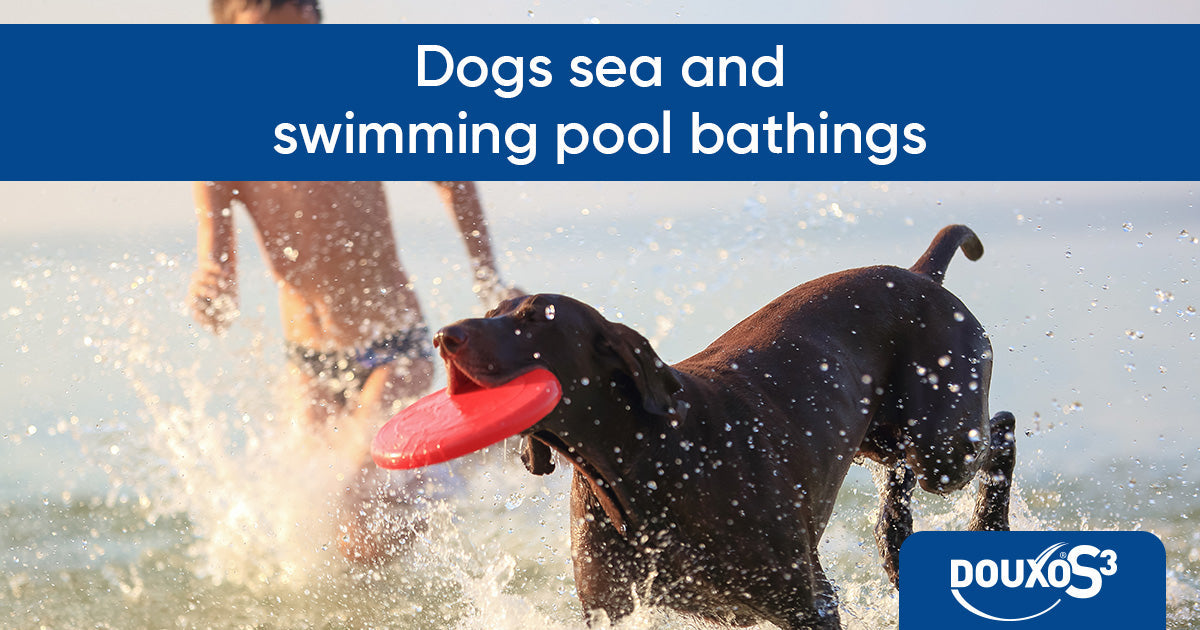
We are now in the peak of the summer season and who doesn’t love a beach day? During the summer months you may take a few trips to the seaside, accompanied by your canine friend. Or you may prefer to stay in your own backyard with a pool to dip into. Swimming is a great way for your dog to cool down when those temperatures rise! However, swimming doesn’t always come without its problems. Most owners are aware of safety issues in water and dogs should be supervised at all times, but did you know that swimming can give rise to skin and ear problems too? This is something to be mindful of, especially with those dogs who already suffer from underlying skin or allergic disease.
Why is sea water and swimming pool water an irritant in dogs?
Swimming pool and hot tub water may contain chemicals such as chlorine. In most circumstances these chemicals have been suitably balanced to prevent them from being toxic or harmful. But, if the chemicals are still harsh and unbalanced, they may affect your dog’s skin, acting as an irritant. Canine hydrotherapy pools are more likely to be chemically balanced and well suited to your canine friend.
However, the majority of dog swimming will take place in the sea, ponds or lakes. Salt water is different to fresh water, and it can leave your dog’s skin feeling dry, just like in humans. Dried salt on the skin can be really irritating, often leading to your dog wanting to excessively itch or scratch themselves.
Ear infections
Swimming and bathing are risk factors for ear infections, specifically “otitis externa”. This is a common inflammatory disease of the external ear canal, including the ear flap (pinna). When ear canals become really inflamed, this can lead to secondary complications such as infections, where a variety of bacteria and fungus can be present. There are some predisposing factors which can increase the likelihood of a dog getting otitis externa. One of these factors is changes to the humidity within the ear canal, thus swimming and water within the ear canal can be triggers for ear disease.
Why can swimming lead to ear problems?
“Swimmer’s ear” is another common name for otitis, and that’s not by chance! Dogs that swim are more likely to develop ear infections and there are several reasons why. When the excess water remains inside the ear for a long time, bacterial load within the water together with a dark and warm ear canal provides the most idyllic environment for bacteria, many of which will be of unusual species not commonly encountered on dry land.
Worse, being submerged in water will make the environment within the ear very moist, which acts as the perfect environment for overgrowth of the bacteria that naturally live there.
After swimming, then, water can become trapped within the ear canal and encourage the possibility to develop ear infections. Conformation may also play a role in increasing the risk of otitis externa; It is a lot easier for water to become trapped within a narrower ear canal or in ‘floppy eared’ breeds, so we may need to pay more attention to those types of dogs.
Not all dogs that go swimming will develop skin and ear issues, so don’t panic! Those unfortunate dogs already with underlying skin or allergic diseases such as canine atopic dermatitis are more likely to develop issues. This is because their skin barrier is likely to already be compromised and weaker, giving a higher innate risk of bacterial invasion, inflammation and consequently otitis externa.
Preventative measures
Getting on top of your dog’s skin care after they have been swimming is the best way to prevent a really itchy aftermath!
- Limiting the amount of time that your dog spends in swimming pools will prevent prolonged chlorine exposure. This may make the water less irritating to their skin.
- Having a routine ear cleaning protocol may be a good idea if your dog is prone to infection or inflammation. Your vet will be able to assist and demonstrate how to correctly and safely do this, and to guide you towards the safe ear cleaners and which one is best suited for your dog. Cleaning their ears after swimming can be a good way of rinsing away the bacteria filled water, and by gently wiping the surface of their ear flaps (pinna) it can make the ears less moist.
- If your dog always develops ear and skin issues every time they swim and preventative measures are unsuccessful, then you may need to consider stopping them from swimming altogether (which may be especially difficult to do for those water loving canines!)
- Just like we shower and rinse after a swim in the pool, it is a good idea to do it with your dog as well. Towel drying them after a sea swim just before the journey home can be helpful, followed by rinsing them down with water upon returning home. If they are not rinsed, the salt that has dried on their skin will make them feel really itchy, and the more they scratch, the more likely they are to make their skin inflamed and red. It is also recommended to rinse your dog’s coat if they have been swimming in any kind of water. This will also help to reduce the amount of allergens on their fur which is particularly important in allergy susceptible dogs.
Hair care and applying certain veterinary skin products can be really useful in these types of scenarios
DOUXO® S3 CALM comes in a variety of forms including shampoo, leave on mousse and skin pads. It is a product that soothes itchy, irritated or sensitive skin. Additionally, when applied it also gives added skin protection against allergens, whilst also significantly reduces levels of itching. Additionally, DOUXO® S3 calm has a hydrating action which helps to combat the dry skin caused by salt water.